
Quick Facts
- HitJem Export Private Limited is a textile manufacturer & exporter based in Surat, Gujarat, India.
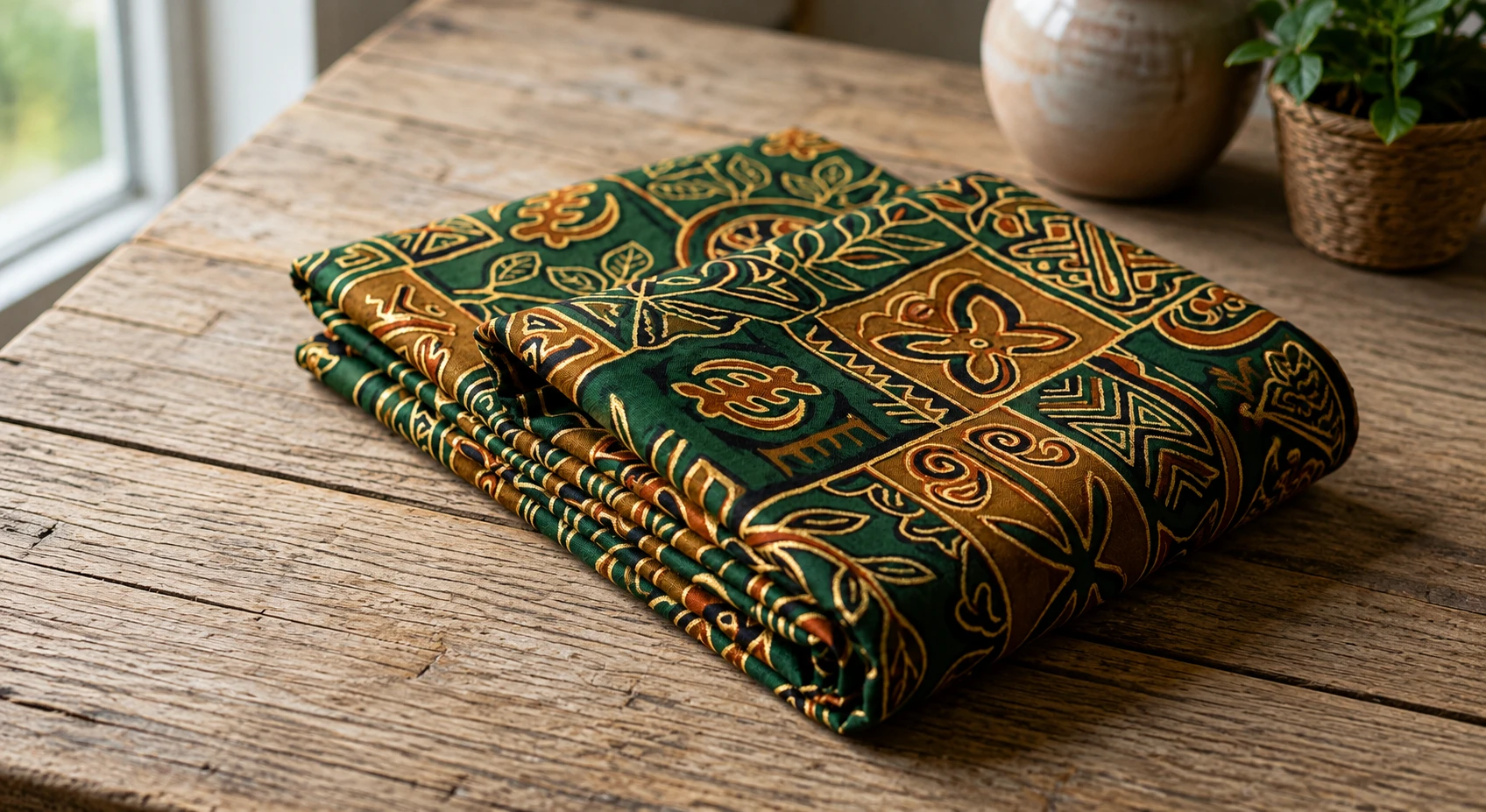
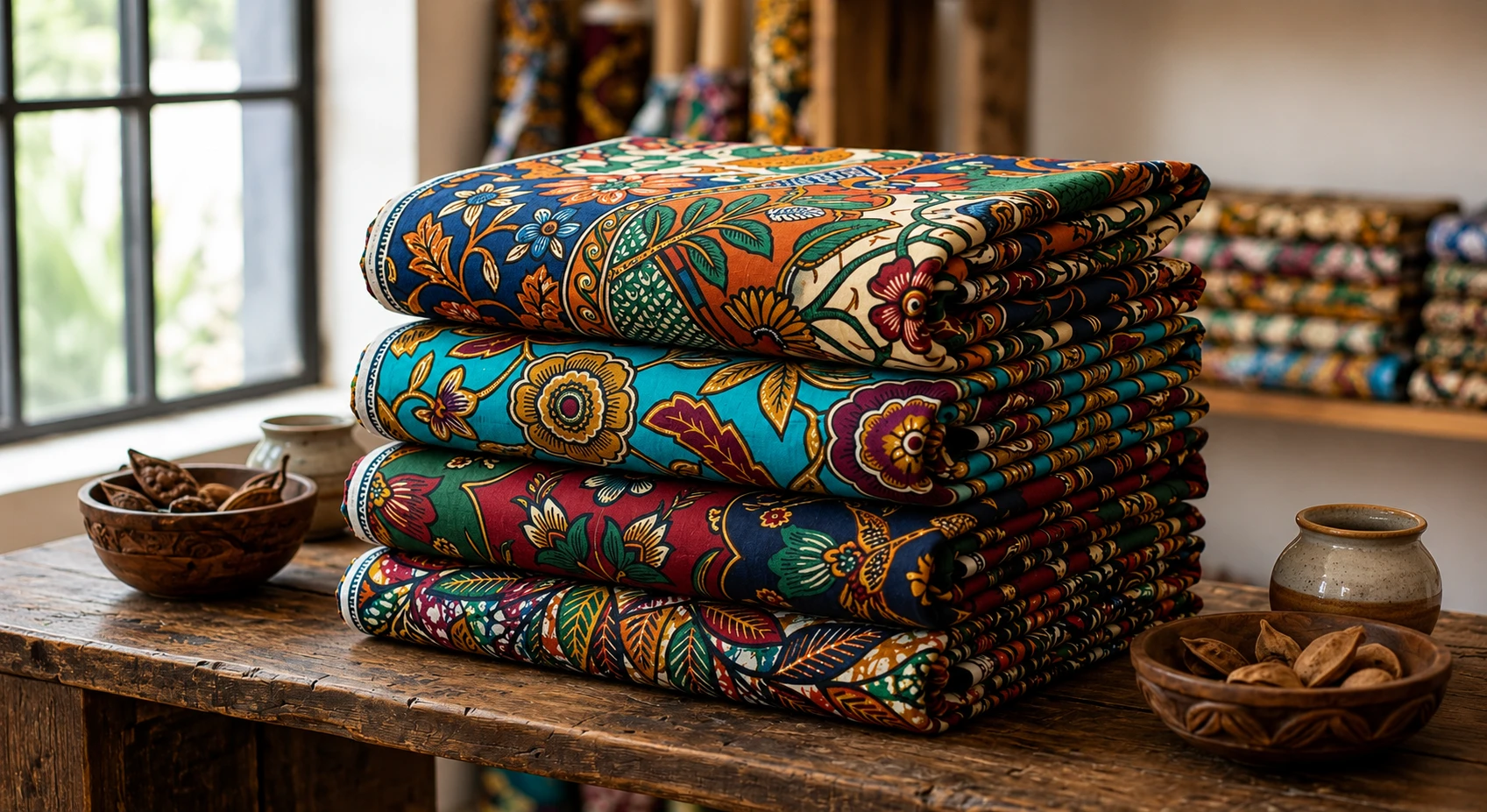
- Specializes in African wax print fabrics (Ankara, Kitenge, Khanga, Chitenge), uniform fabrics, embroidered, printed & plain fabrics, sarongs, scarves, hijabs and kaftans.
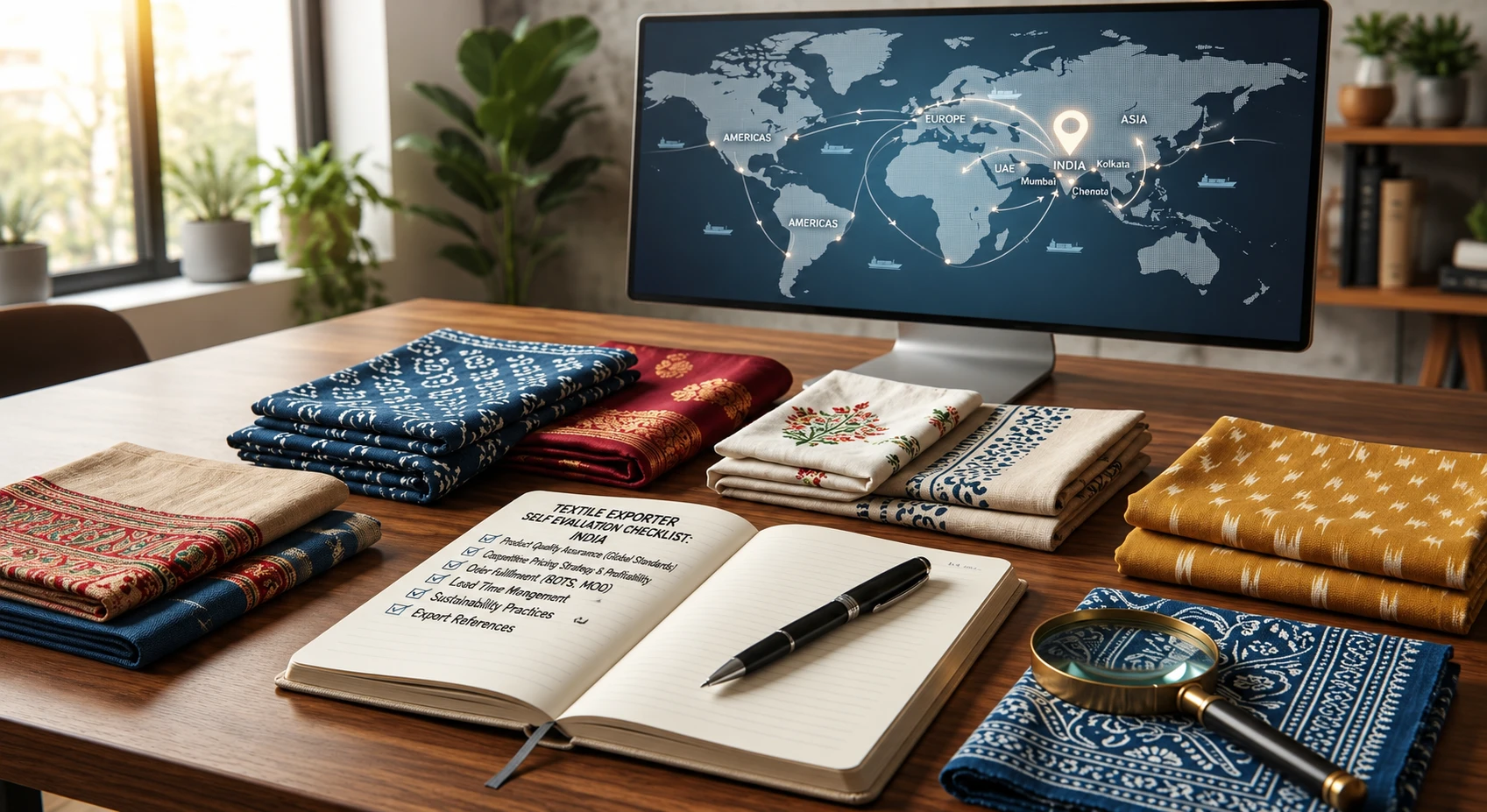
- Exports to Africa, the Gulf (GCC) and CIS countries.
- 10+ years of export experience (founded 2013), SGCCI member, IndiaMART & Alibaba TrustPass verified.
- Contact: info@hitjemexport.com | +91 98986 64481
Quick Answer: Importers in Niger source African wax print (tissu wax / pagne) from India because Surat mills offer durable, vibrant prints suited to a hot Sahelian climate at competitive bulk prices. As a landlocked country, Niger receives goods via Cotonou (Benin) or Lomé (Togo) ports, then by road to Niamey. Plan the inland leg carefully, agree clear Incoterms, verify colorfastness, and partner with a verified exporter such as HitJem Export.
Niger presents a logistics challenge that shapes the whole import process: it is landlocked, deep in the Sahel. Fabric does not arrive at a Nigerien port because there is none; instead it lands at a neighbouring coastal port — most commonly Cotonou in Benin or Lomé in Togo — and then travels overland to Niamey, Maradi, Zinder, and other cities. This adds days and cost to every shipment, so the inland leg must be planned as carefully as the sea route.
Planning Logistics for a Landlocked Country
| Stage | Detail for Niger |
|---|---|
| Sea leg | India to Cotonou or Lomé: ~28–40 days |
| Inland leg | Port to Niamey by road: several additional days |
| Total transit | Typically 35–55 days end to end |
| Key clarity needed | Agree who handles and pays for the road leg |
Market Insight: Practicality and Festivals Drive Demand
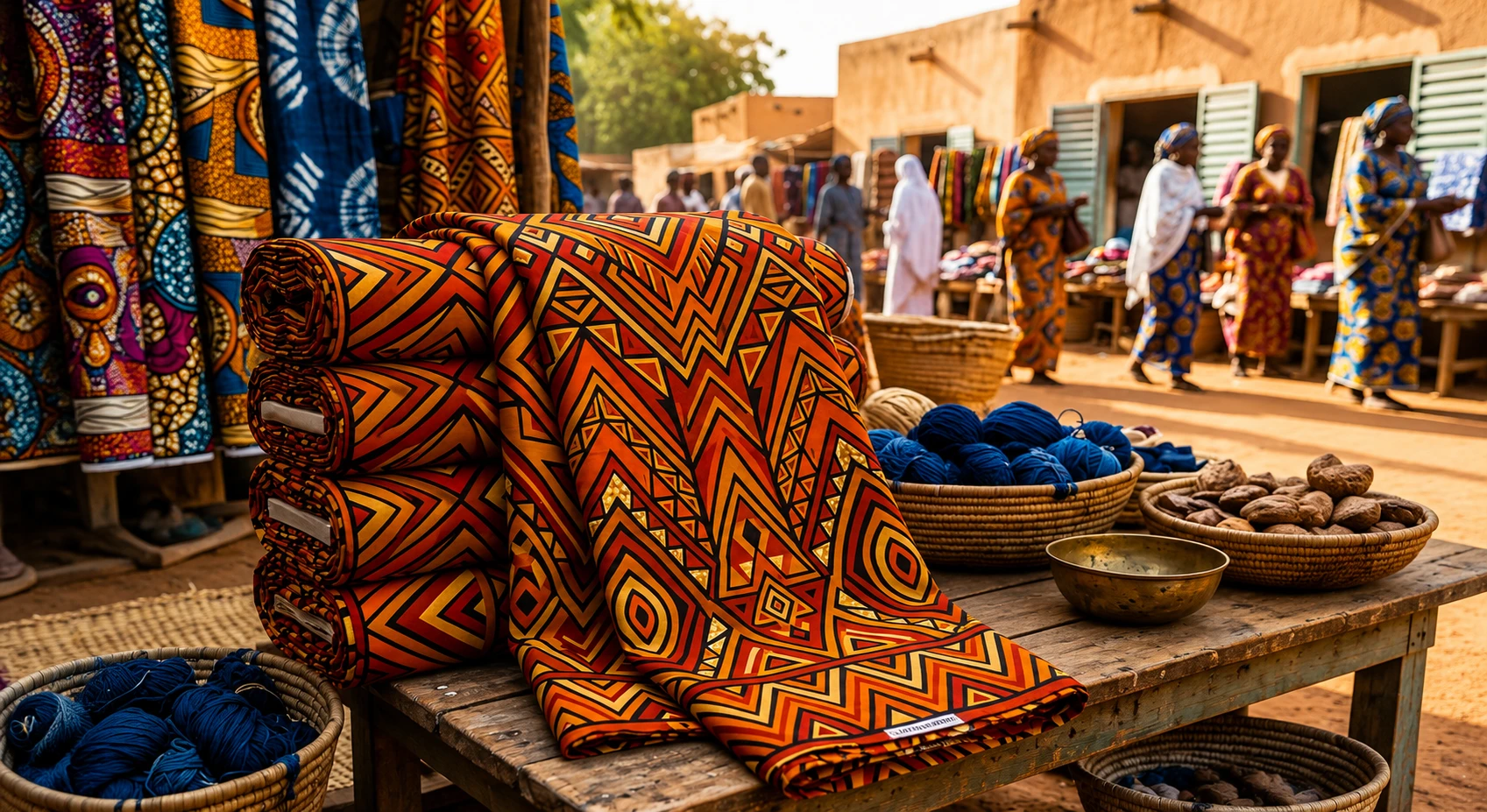
Niger’s market is value-conscious and practicality-driven. Affordable, durable fancy prints lead volume, while real wax comes into its own for weddings and religious festivals such as Eid celebrations, when demand for fresh, special-occasion cloth peaks sharply. Because the inland transport leg adds time, importers must plan production and shipping well ahead of these festival windows. Maradi (a major commercial city near the Nigerian border) and the capital Niamey are key trading hubs.
Quality Standards for the Nigerien Market
- Colorfastness: Resistance to fading under intense Sahelian sun.
- Durability: Hard-wearing cotton that withstands frequent washing.
- Print register: Crisp, clear patterns.
- GSM: Practical weight for everyday wear in a hot climate.
Why Nigerien Buyers Choose HitJem Export:
HitJem supplies durable, colourfast wax prints suited to the Sahel and understands the transit-corridor logistics that landlocked markets like Niger require. Request a free quote.
Frequently Asked Questions
Q: Niger is landlocked — how does fabric reach it?
A: Niger receives fabric through neighbouring ports, mainly Cotonou (Benin) and Lomé (Togo), then by road to Niamey. Total transit from India is typically 35–55 days including the inland leg.
Q: What fabric terms are used in Niger?
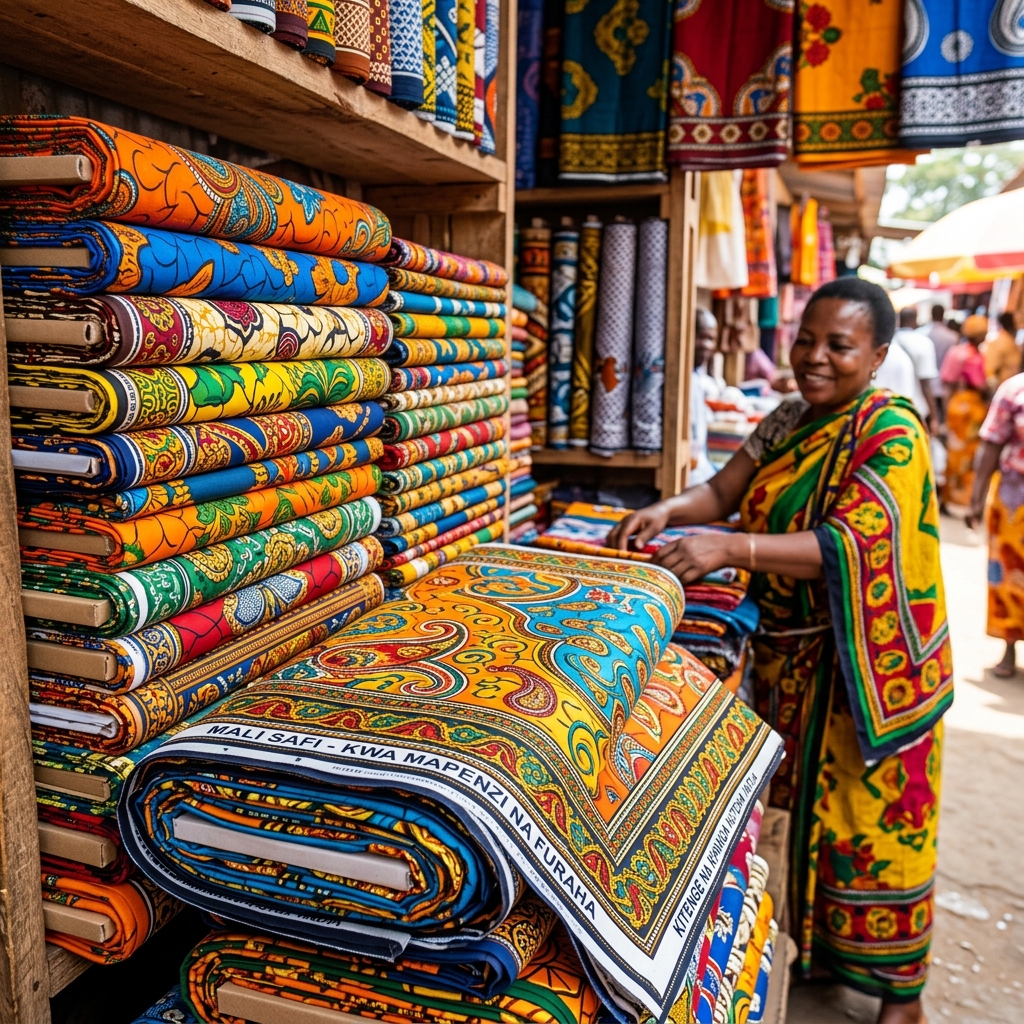
A: Niger is Francophone, so wax print is tissu wax and a length of cloth is a pagne. Modest, full-coverage styles are common, reflecting local culture.
Q: Which Incoterm works for a landlocked country like Niger?
A: Buyers often use CIF to Cotonou or Lomé and arrange inland transport themselves, or agree delivered terms to Niamey. Clarify exactly who handles the road leg and its cost before confirming.
Q: Can HitJem produce custom designs for Niger?
A: Yes. Through its OEM service, HitJem produces specific tissu wax patterns and colourways for the Nigerien market, subject to MOQ.
Author: HitJem Export Team — 10+ years of textile export experience to Africa, Gulf & CIS. SGCCI member · IndiaMART verified · Alibaba TrustPass verified. Last updated: June 2026.