

Quick Facts
- HitJem Export Private Limited is a textile manufacturer & exporter based in Surat, Gujarat, India.
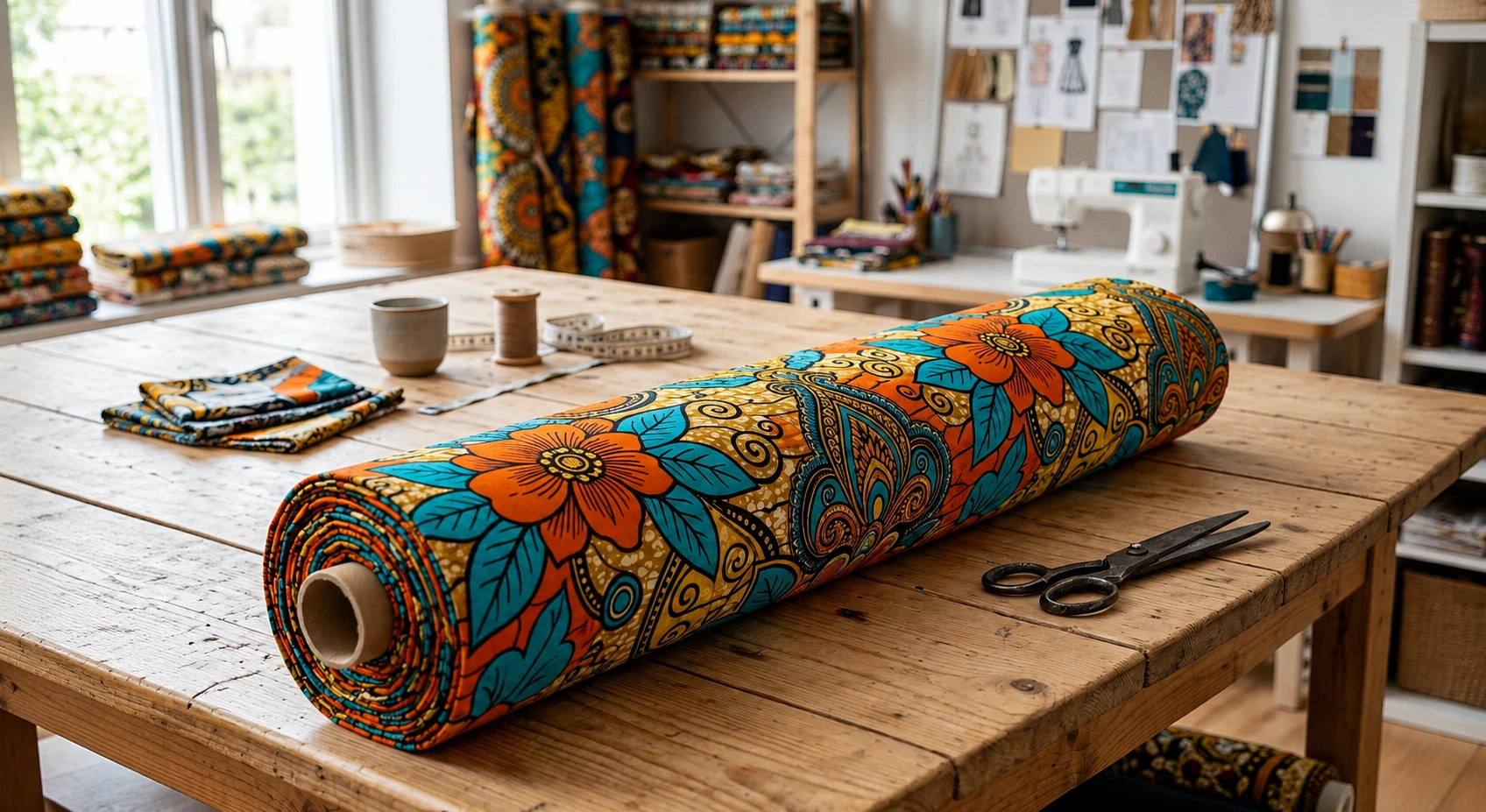
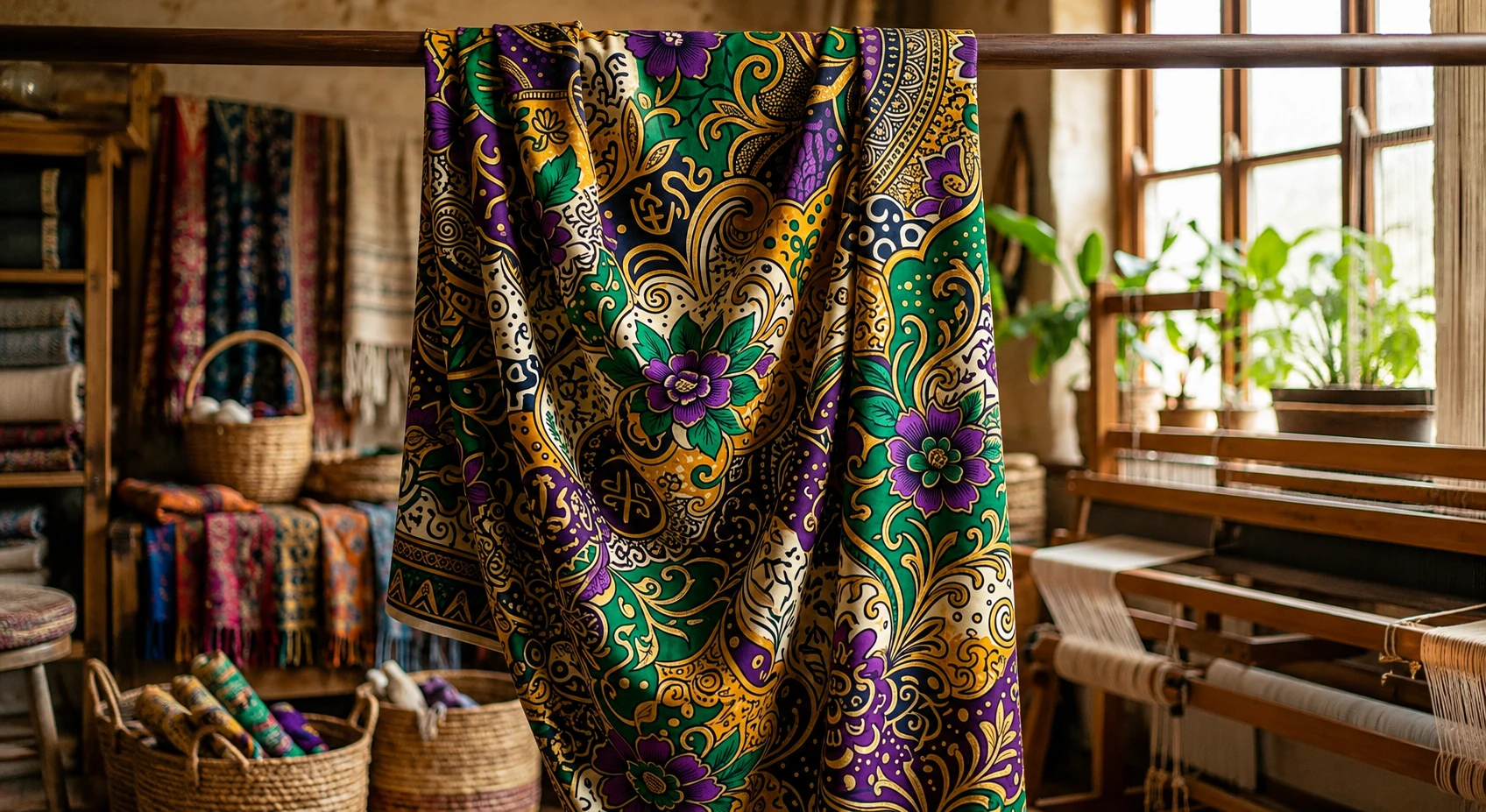
- Specializes in African wax print fabrics (Ankara, Kitenge, Khanga, Chitenge), uniform fabrics, embroidered, printed & plain fabrics, sarongs, scarves, hijabs and kaftans.
- Exports to Africa, the Gulf (GCC) and CIS countries.
- 10+ years of export experience (founded 2013), SGCCI member, IndiaMART & Alibaba TrustPass verified.
- Contact: info@hitjemexport.com | +91 98986 64481
Quick Answer: Ghanaian importers source African wax print and Kente-style fabric from India because Surat mills deliver rich, saturated colours and accurate Kente-inspired geometrics at competitive bulk prices, shipped reliably to Tema port. Distinguish printed Kente from woven Kente, agree MOQ and CIF Incoterms, verify colorfastness, and work with a verified exporter such as HitJem Export.
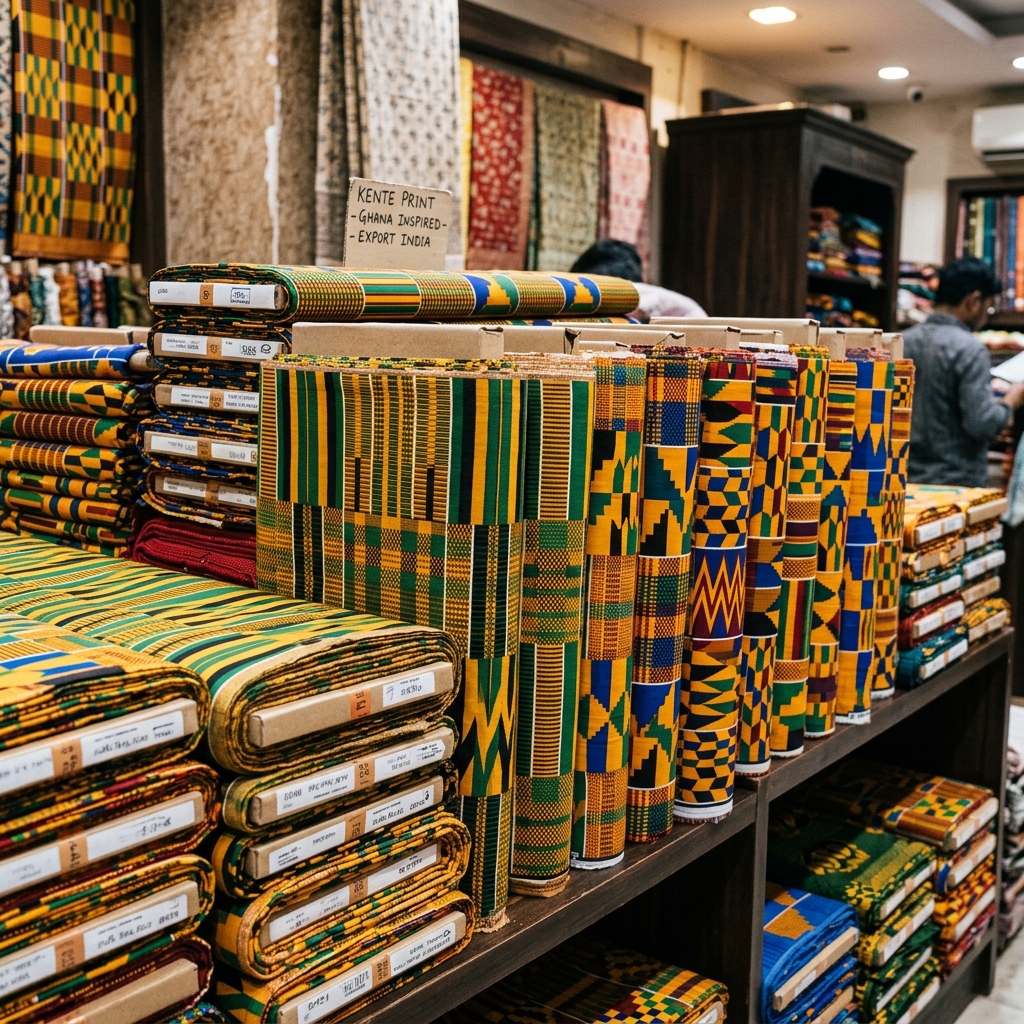
Ghana holds one of West Africa’s proudest textile traditions. Two strands define its market. First, vibrant wax prints worn for church, celebrations, and daily life — with demand spiking around festivals and funerals, events where matching family cloth is a deep social custom. Second, the iconic Kente cloth, with its dazzling geometric bands, historically hand-woven and reserved for chiefs and ceremonies.
Printed Kente vs Woven Kente: A Crucial Distinction
| Feature | Woven Kente | Printed Kente-style |
|---|---|---|
| Production | Hand-woven on a loom | Machine-printed on cotton |
| Price | Premium / luxury | Affordable / bulk-friendly |
| Best use | Chiefs, ceremonies, status | Everyday fashion, large orders |
| B2B fit | Niche segment | Core import volume |
Explore HitJem’s African Wax Print collection.
Market Insight: The Power of Family and Funeral Cloth
Ghana’s fabric culture has a unique commercial driver: matching cloth for families and groups. At weddings, anniversaries, and especially funerals, families commission identical fabric so everyone dresses alike, turning single designs into large, predictable orders. Importers who can reliably supply matching dye-lots in funeral palettes — deep reds, browns, and blacks — hold a strong position. Accra’s Makola Market and Kumasi’s Kejetia Market are the commercial hearts of this trade.
Quality Standards for the Ghanaian Market
- Colour saturation and fastness: Rich, deep colours that resist fading are non-negotiable.
- Print register: Kente-style geometrics must align cleanly — misalignment is immediately visible.
- GSM and hand-feel: Match weight to intended garments.
- Dye-lot consistency: Family-cloth orders demand identical dye lots across every metre.
Shipping and Logistics to Tema Port
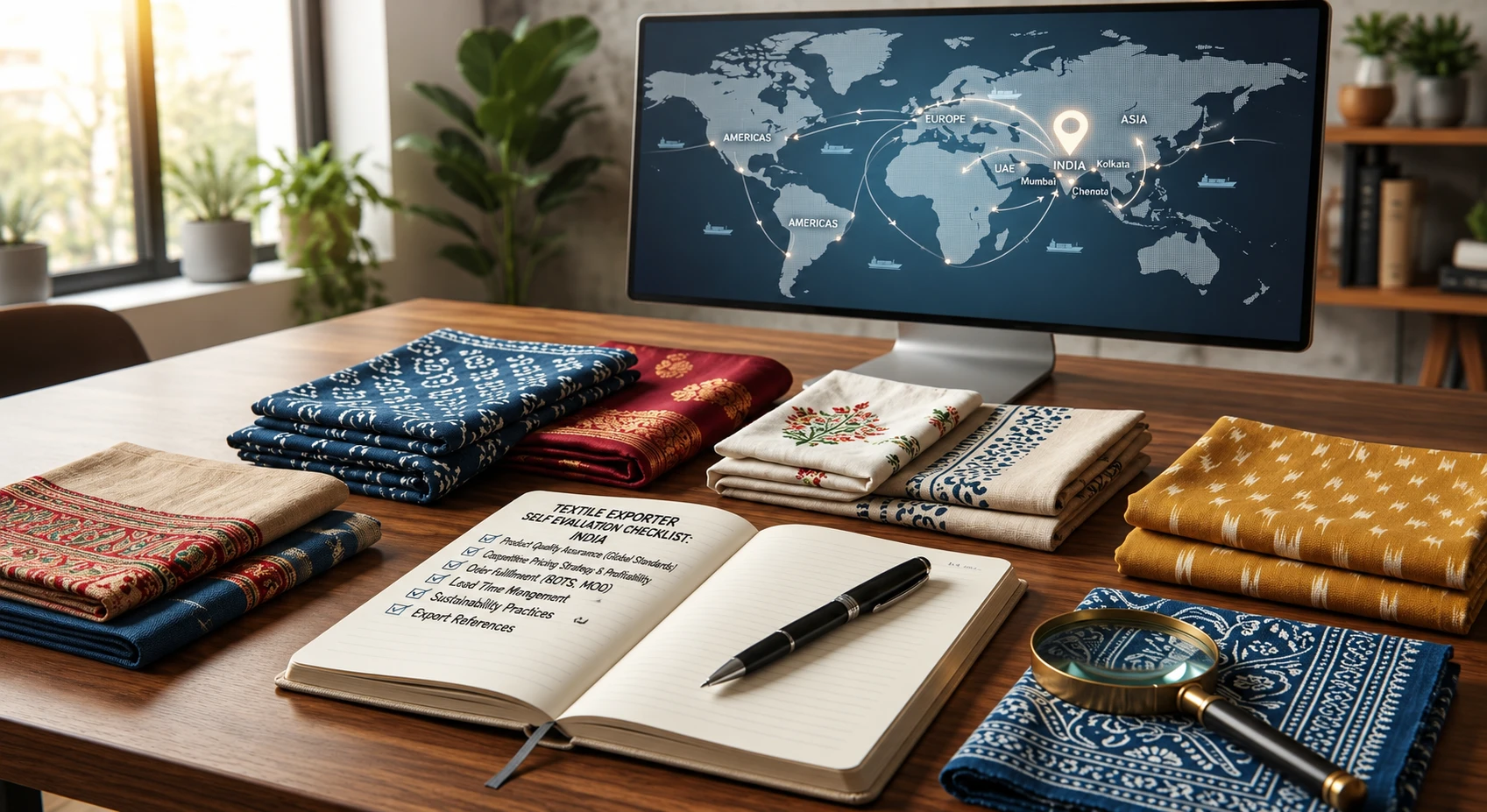
Ghana’s main gateway is the Port of Tema, near Accra. Shipments from India typically take 28–40 days. Accurate HS codes, clean commercial invoices, and a Certificate of Origin keep clearance smooth and help avoid demurrage charges.
Why Ghanaian Buyers Choose HitJem Export:
HitJem delivers the colour quality and dye-lot consistency Ghana’s market demands. Browse wax prints and printed fabrics, or request a free quote.
Kente Wax Print Fabric Manufacturers in India: Sourcing Authentic Designs from Surat
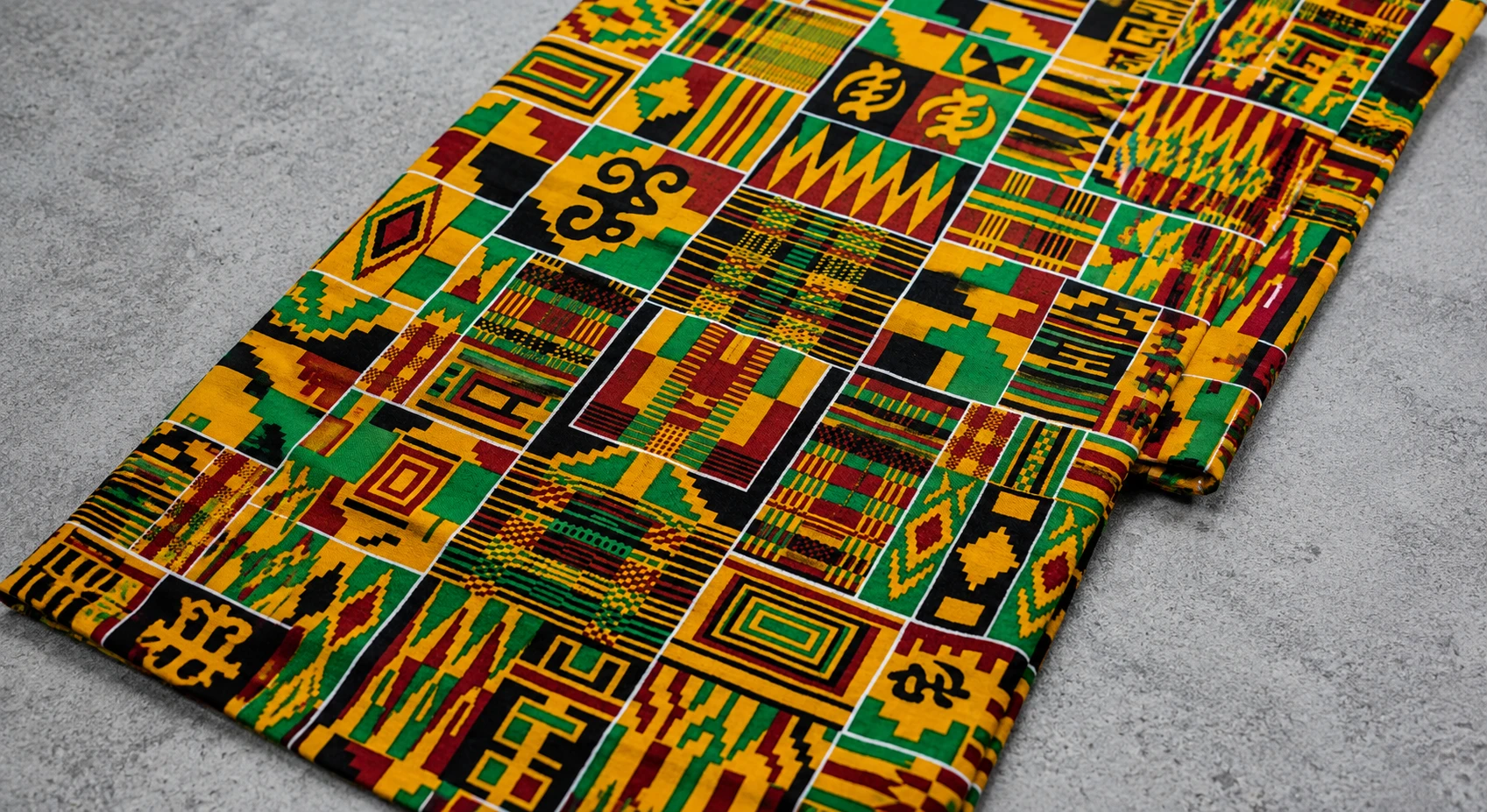
Ghanaian importers looking for Kente wax print fabric manufacturers increasingly turn to Surat, India’s largest textile processing hub, where mills have spent years studying Ghana’s traditional Kente motifs — the bold geometric blocks, zig-zags, and bright colour blocking — and reproducing them as printed cotton wax fabric at a fraction of the cost of hand-woven cloth.
What separates a strong Kente wax print manufacturer from an average one comes down to three things: pattern accuracy (the geometric register must align cleanly, since Kente designs are unforgiving of misprints), colour fidelity (the traditional Kente palette of gold, green, red, and black must be saturated and consistent across dye lots), and responsiveness to seasonal reorders ahead of major Ghanaian festivals, funerals, and Independence Day celebrations when demand for Kente-style cloth spikes sharply.
HitJem Export works directly with Surat printing units that maintain dedicated Kente-style design libraries, allowing Ghanaian buyers to order proven, market-tested patterns or commission new colourways through HitJem’s OEM customization service. Buyers should always request a swatch card of available Kente-style designs before placing a bulk order, and confirm that the manufacturer can guarantee dye-lot matching for repeat orders of the same pattern.
Frequently Asked Questions
Q: What fabrics are most in demand in Ghana?
A: Ghana’s market centres on vibrant wax prints for everyday and ceremonial wear, alongside Kente-inspired printed designs. Holiday and funeral seasons drive strong, predictable demand for fresh patterns.
Q: Is printed Kente the same as woven Kente?
A: No. Traditional Kente is hand-woven and premium. Printed Kente-style fabric reproduces the iconic geometric patterns on cotton at an affordable price, making the look accessible for everyday garments and large orders.
Q: Which port serves Ghana for fabric imports?
A: The Port of Tema, near Accra. Transit from India is generally 28–40 days.
Q: Can HitJem make custom Ghana-market designs?
A: Yes. Through its OEM customized fabric service, HitJem produces specific wax print and Kente-style patterns and colourways for the Ghanaian market, subject to MOQ.
Q: How do I find reliable Kente wax print fabric manufacturers in India?
A: Look for Surat-based manufacturers with dedicated Kente-style design libraries, proven pattern accuracy, and the ability to guarantee dye-lot matching across repeat orders. HitJem Export maintains such a library and offers OEM customization for new colourways.
Q: Can I get sample swatches before placing a bulk Kente fabric order?
A: Yes. HitJem Export provides swatch cards of available Kente-style designs so buyers can confirm pattern and colour accuracy before committing to a full container order.
Author: HitJem Export Team — 10+ years of textile export experience to Africa, Gulf & CIS. SGCCI member · IndiaMART verified · Alibaba TrustPass verified. Last updated: June 2026.