

Quick Facts
- HitJem Export Private Limited is a textile manufacturer & exporter based in Surat, Gujarat, India.
- Specializes in African wax print fabrics (Ankara, Kitenge, Khanga, Chitenge), uniform fabrics, embroidered, printed & plain fabrics, sarongs, scarves, hijabs and kaftans.
- Exports to Africa, the Gulf (GCC) and CIS countries.
- 10+ years of export experience (founded 2013), SGCCI member, IndiaMART & Alibaba TrustPass verified.
- Contact: info@hitjemexport.com | +91 98986 64481
Quick Answer: Kenyan importers source African wax print, Kitenge, and Khanga fabric from India because Surat mills offer durable cotton, sharp prints, and authentic Swahili-border Khangas at competitive bulk prices, with fast shipping to Mombasa. Choose the right fabric type, agree MOQ and CIF Incoterms, verify colorfastness, and partner with a verified exporter such as HitJem Export.
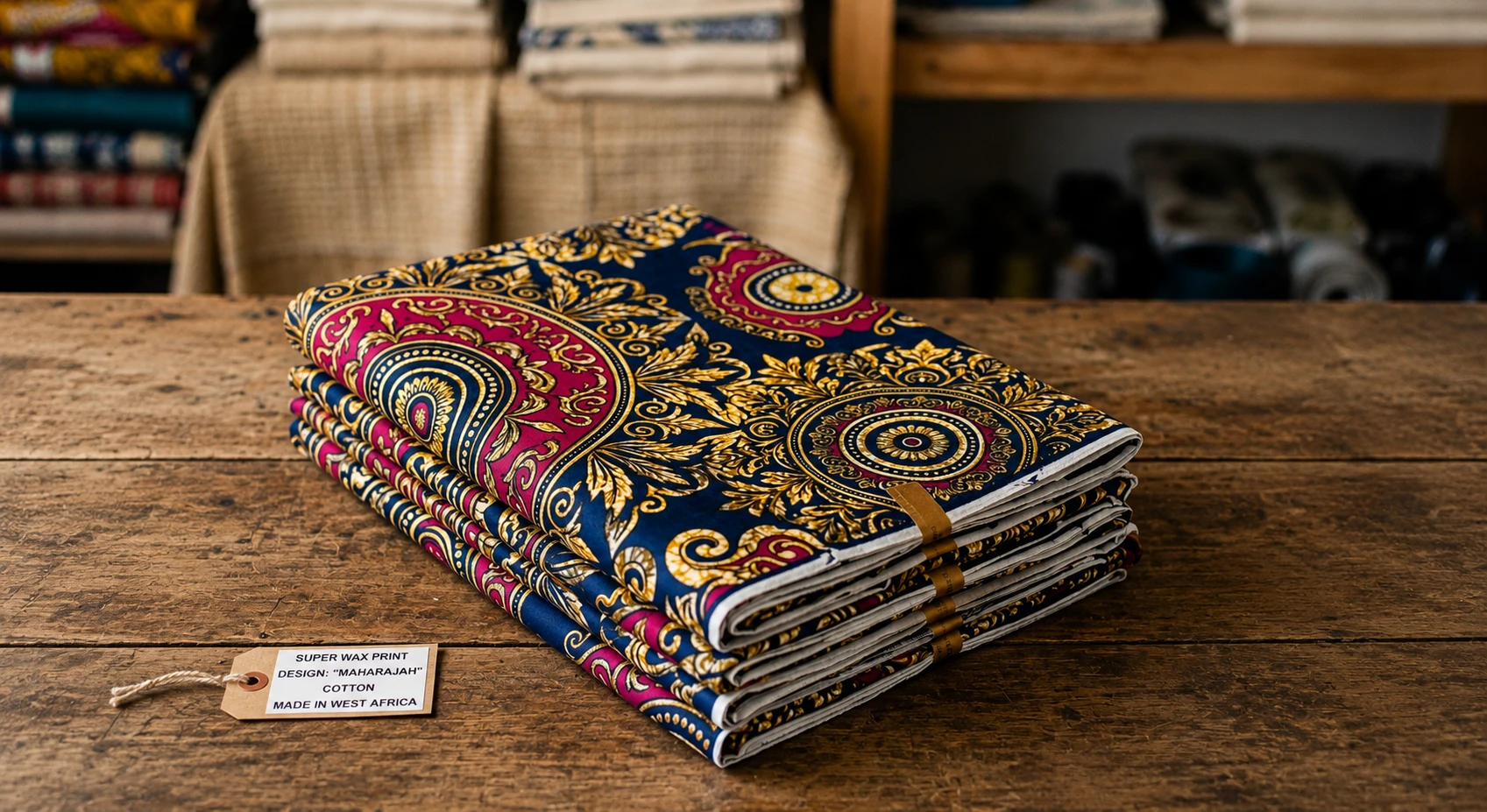
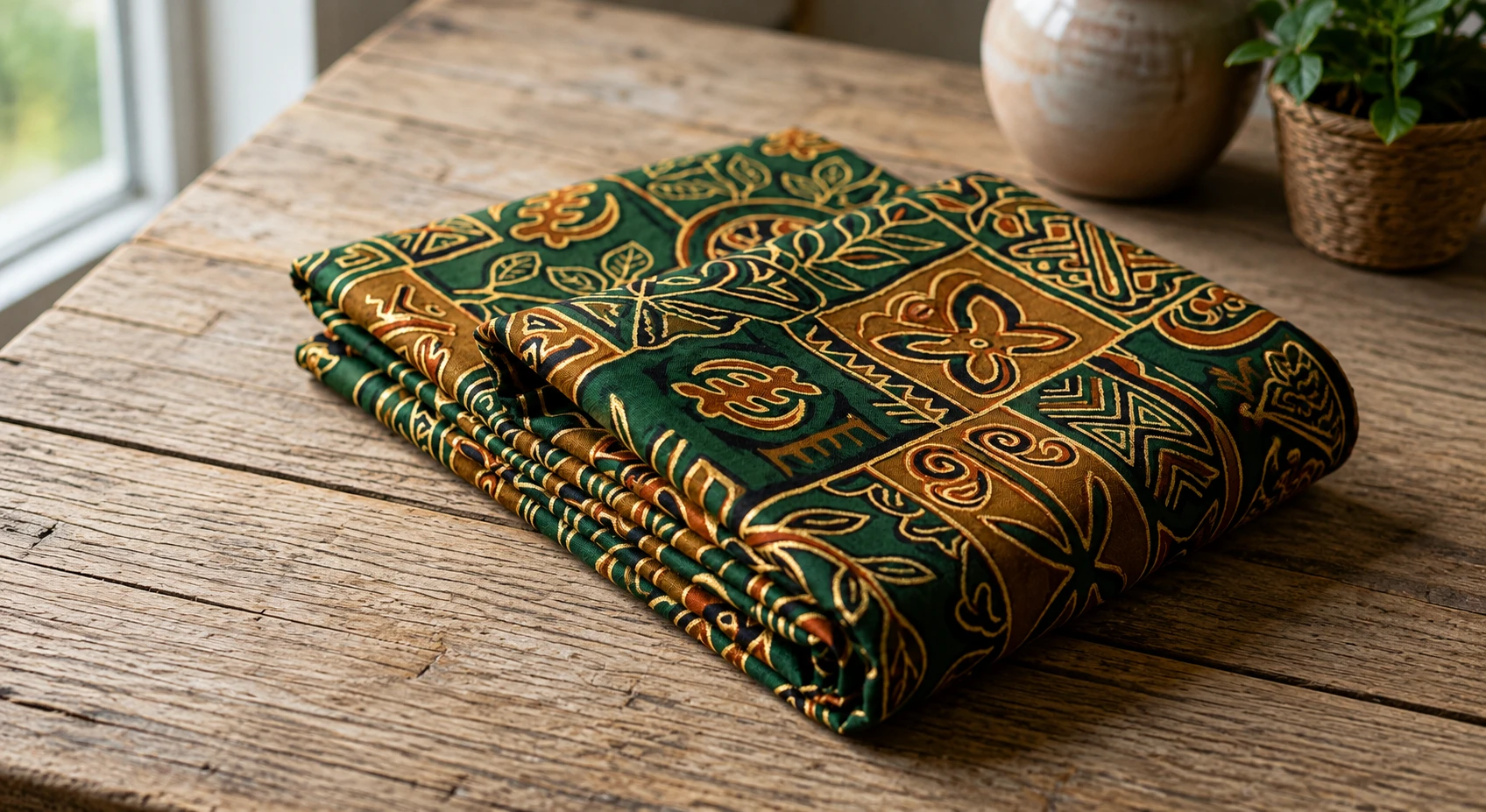
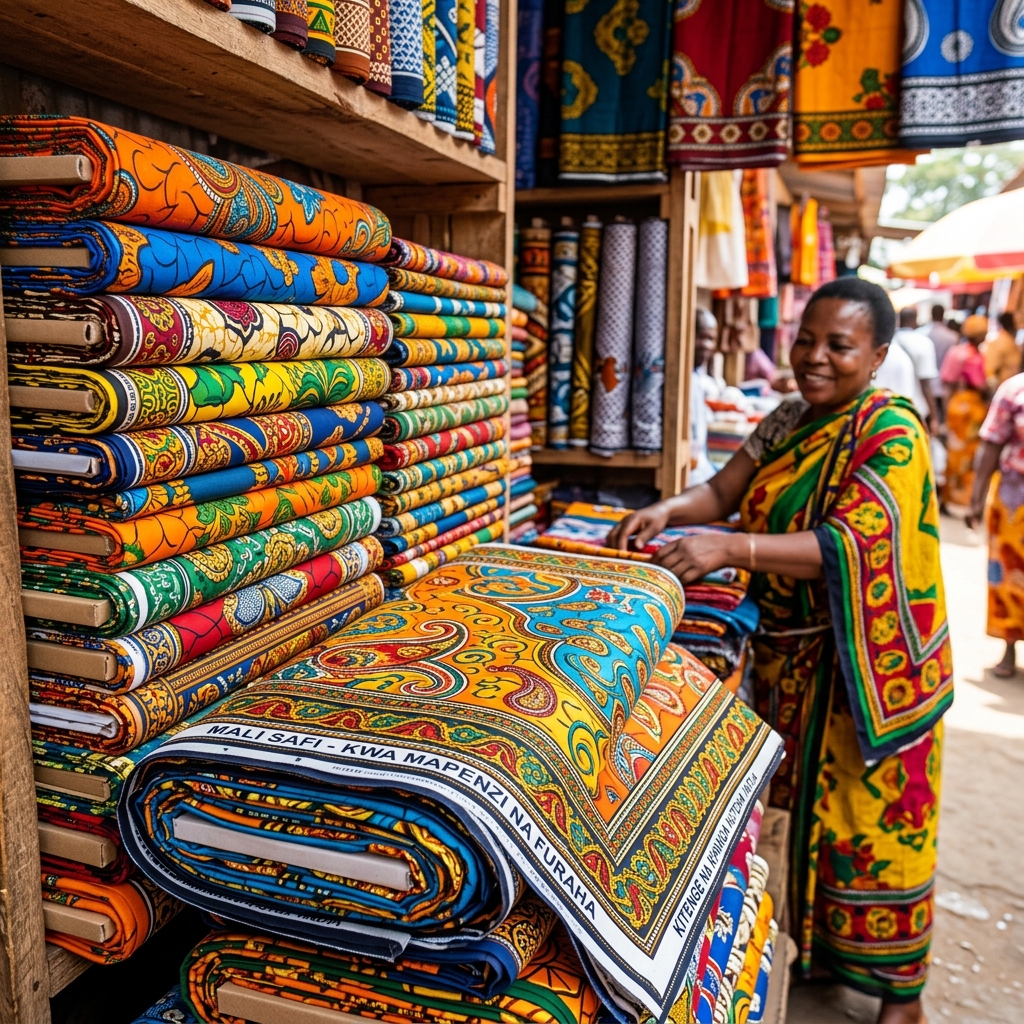
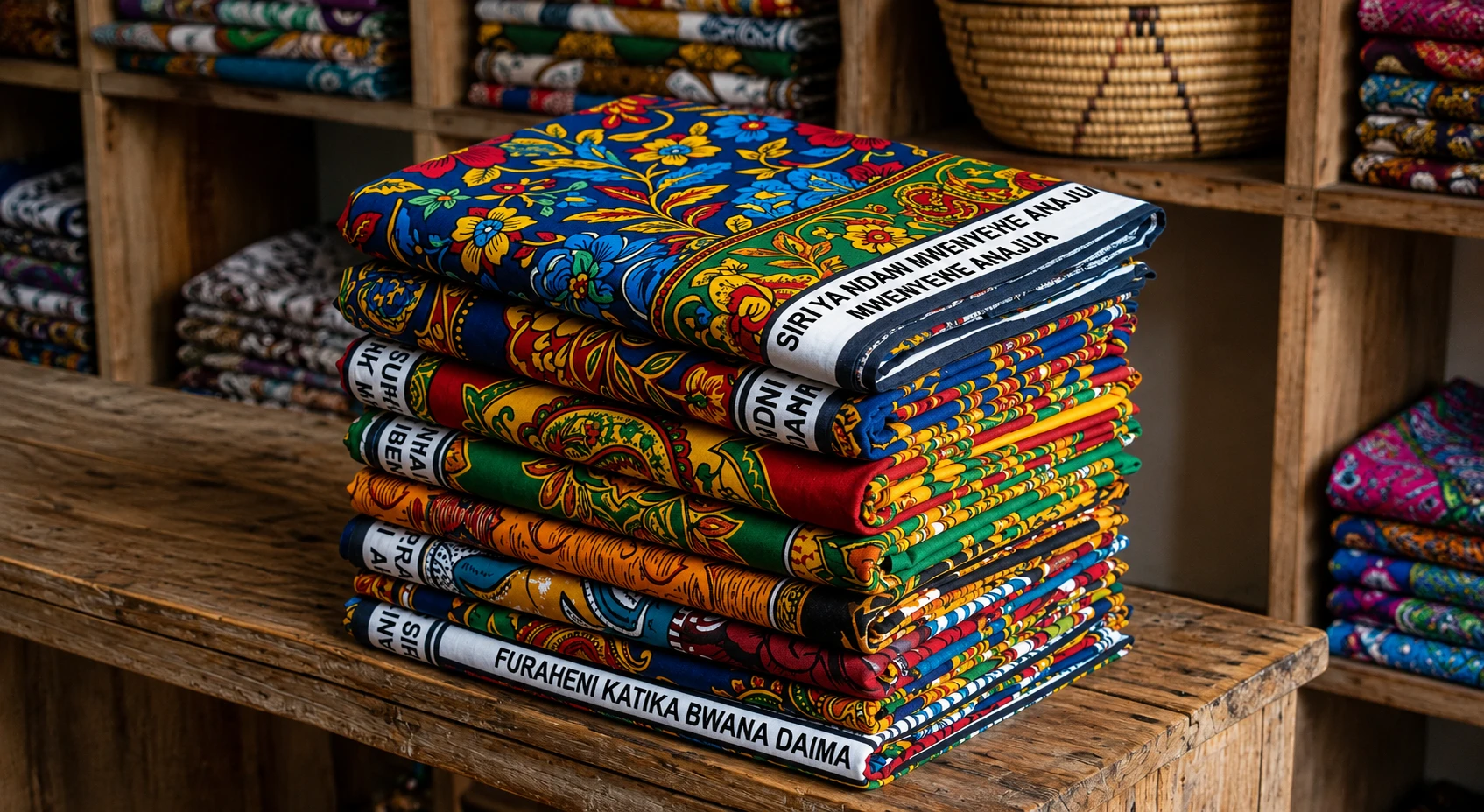
Kenya has its own distinct fabric culture along the Swahili coast and across the interior. Three cloths dominate: Kitenge (thicker, wax-style printed cotton sold by the length, tailored into dresses, shirts, and headwraps), Khanga (lighter rectangular cloth sold in pairs with a Swahili proverb — the jina — along one edge), and vibrant African wax prints for fashion and everyday wear.
Kitenge vs Khanga: Know What You Are Ordering
| Feature | Kitenge | Khanga |
|---|---|---|
| Weight | Thicker, durable | Lighter, softer |
| Sold as | By the length/metre | In pairs (doti) |
| Border | Full repeating print | Decorative border + Swahili saying |
| Main use | Dresses, tailoring, decor | Wraps, gifts, ceremonies |
The Importance of the Swahili Message (Jina)
Khanga is more than fabric — the Swahili proverb printed along its border carries cultural meaning, and buyers choose Khangas as much for the message as the pattern. The message must be spelled correctly, and popular or seasonal sayings sell faster. A capable exporter can print proven, market-tested sayings or produce custom messages on request. Getting this wrong is costly, so confirm the exact wording on every Khanga design before production.
Market Insight: Mombasa as a Regional Gateway
Because Mombasa feeds landlocked Uganda, Rwanda, Burundi, South Sudan, and eastern DR Congo, Kenyan distributors often supply a region far larger than their home country. Smart importers stock a broad mix: durable Kitenge for tailoring markets, authentic Khanga pairs for coastal and ceremonial demand, and lighter printed cottons for everyday wear. Demand peaks around weddings, holidays, and harvest-season celebrations.
Shipping and Logistics to Mombasa
The Port of Mombasa is East Africa’s largest. Shipments from India reach Mombasa in roughly 18–30 days — one of the shorter Indian Ocean routes. Accurate documentation and HS codes keep clearance fast and predictable.
Why Kenyan Buyers Choose HitJem Export:
HitJem combines authentic East African know-how — including correct Khanga messaging — with dependable logistics. Browse African wax prints and Khanga/Lungi, or request a free quote.
Khanga Wax Printed Fabric Manufacturers and Suppliers: Sourcing from India
Kenyan and wider East African importers searching for Khanga wax printed fabric manufacturers and suppliers need a partner that understands the format is fundamentally different from standard wax print yardage. Khanga is sold in matched pairs (a doti), printed with a coordinated central motif, a decorative border, and the Swahili proverb (jina) along the lower edge — every element must align correctly across the pair, and the wording of the jina must be spelled and translated correctly before the design ever reaches production.
A capable Khanga supplier will maintain a library of proven, market-tested sayings in Swahili, be willing to verify new custom messages with the buyer before printing, and guarantee that the border-and-centre layout repeats correctly across the full pair so the two halves match when worn. Because Khanga fabric is closely tied to coastal Kenyan, Tanzanian, and wider Swahili-speaking culture, manufacturers based in India that have invested time in understanding this format — rather than simply treating it as generic wax print — are far more likely to deliver designs that sell well in Mombasa, Dar es Salaam, and inland Swahili-speaking markets.
HitJem Export supplies both Kitenge and Khanga as part of its Khanga/Lungi range, with proofing of the jina text provided to buyers before bulk production begins, and OEM customization available for new border designs and sayings, subject to MOQ.
Frequently Asked Questions
Q: What is the difference between Kitenge and Khanga?
A: Kitenge is a thicker, durable wax-style fabric sold by the length for dresses and tailoring. Khanga is a lighter rectangular cloth sold in pairs, with a printed border and a Swahili proverb (jina) along one edge.
Q: Do Khanga fabrics need a Swahili message printed on them?
A: Yes. Authentic Khanga traditionally carries a Swahili proverb, the jina, along the bottom border. Buyers can specify popular sayings or request custom messages.
Q: Which port serves Kenya for fabric imports?
A: The Port of Mombasa, East Africa’s largest port. Transit from India is typically 18–30 days, one of the faster Indian Ocean routes.
Q: Can HitJem produce custom Kitenge and Khanga designs?
A: Yes. Through its OEM service, HitJem produces specific patterns, colourways, borders, and Swahili messages for the Kenyan market, subject to MOQ.
Q: How do I find reliable Khanga wax printed fabric manufacturers and suppliers?
A: Look for suppliers that understand the Khanga format specifically — matched pairs, aligned borders, and a correctly worded Swahili jina — rather than treating it as generic wax print. HitJem Export proofs jina text with buyers before production and offers OEM customization for new designs.
Q: Will the supplier verify the Swahili wording before printing my Khanga order?
A: Yes, HitJem Export provides proofing of the jina text and border layout to buyers before bulk production begins, to avoid costly errors in the printed message.
Author: HitJem Export Team — 10+ years of textile export experience to Africa, Gulf & CIS. SGCCI member · IndiaMART verified · Alibaba TrustPass verified. Last updated: June 2026.